Kids Emotional Learning Book: A Practical Tool for Teaching Emotional Intelligence
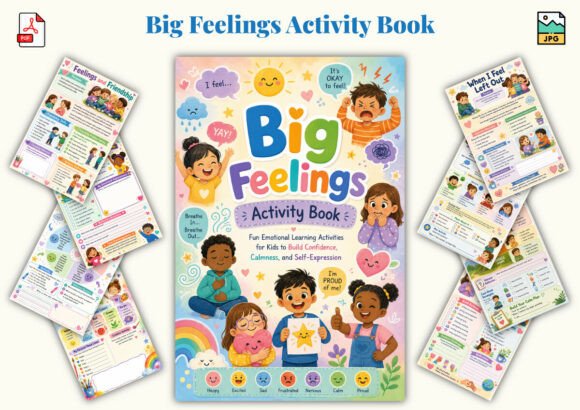
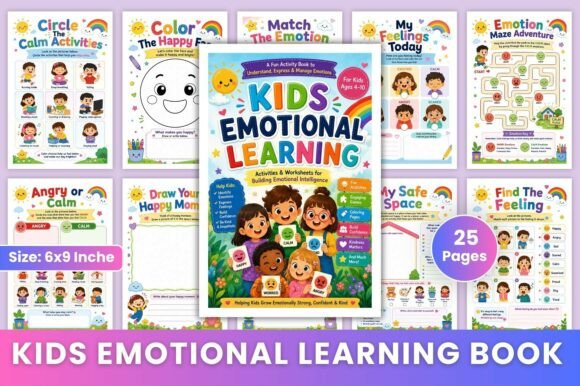
The Kids Emotional Learning Book is a comprehensive, interactive workbook designed to guide children through the complex world of emotions in a structured and engaging way. It serves as both an educational resource and a practical tool that can be seamlessly integrated into daily routines, school curriculums, or therapeutic sessions. This book helps kids recognize, understand, and manage their feelings using a variety of activities that are both fun and informative. Its design makes it a versatile addition to any environment where emotional intelligence is a priority.
Understanding the Role of the Kids Emotional Learning Book
The Kids Emotional Learning Book plays a critical role in early childhood development by providing a framework for teaching emotional awareness. It complements traditional education by focusing on skills such as empathy, self-regulation, and communication. Educators, parents, and therapists can use this book to support children in developing emotional literacy, which is essential for social and academic success.
When used before a learning activity, the book can help set the stage for emotional readiness. For example, a teacher might introduce a unit on friendship by having students complete a section on identifying emotions. This primes them to engage more deeply with the content and understand the emotional context behind interactions.
Integrating the Kids Emotional Learning Book into Daily Routines
Incorporating the Kids Emotional Learning Book into daily routines can enhance emotional regulation and self-awareness. Parents and educators can use it during morning check-ins, after-school activities, or bedtime reflections. The Daily Emotional Check-ins section, for instance, allows children to track their mood throughout the day, encouraging them to think critically about what influences their emotions.
This kind of routine integration supports consistency, which is key to long-term emotional growth. When paired with other tools like visual emotion charts or mindfulness apps, the book becomes part of a broader strategy for emotional well-being.
Using the Kids Emotional Learning Book During Learning Activities
During structured learning activities, the Kids Emotional Learning Book acts as a supplementary resource that reinforces lessons on empathy, kindness, and communication. Teachers can use the Social Skills Kindness Learning section to facilitate group discussions about sharing and respect. These exercises not only reinforce classroom values but also provide opportunities for students to practice expressing their thoughts and feelings in a safe environment.
For instance, when working on a creative project, a teacher might use the Feelings Reflection Pages to help students explore how different emotions influence their creativity. This encourages deeper engagement and helps students make personal connections to the material they are learning.
Supporting Emotional Regulation Through the Kids Emotional Learning Book
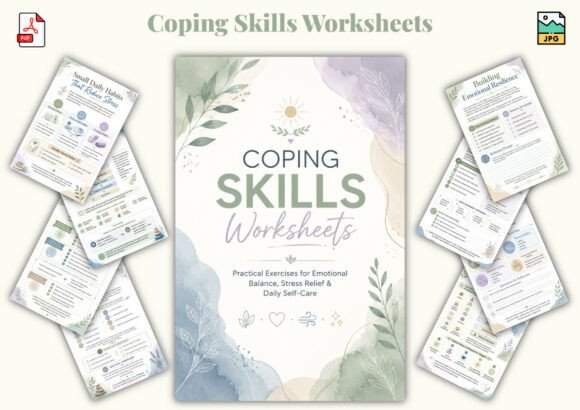
One of the most valuable aspects of the Kids Emotional Learning Book is its focus on emotional regulation. The Calm Down Relaxation Activities include breathing exercises and calming techniques that can be used when a child is feeling overwhelmed. These activities are especially useful during transitions, such as moving from playtime to homework or before bedtime.
By integrating these exercises into a child's routine, caregivers can help them develop coping strategies that will serve them well in various situations. The book’s approach is practical and easy to follow, making it ideal for use in both home and school settings.
Enhancing Social and Emotional Development
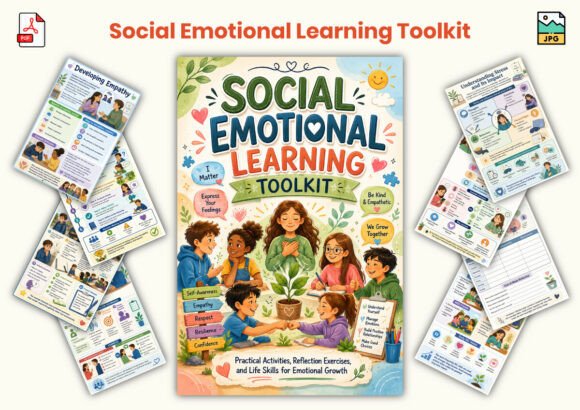
The Kids Emotional Learning Book supports the development of social skills by helping children understand the emotions of others. The Emotional Intelligence Development section encourages kids to reflect on their own feelings while also considering how others might feel in similar situations. This dual focus builds empathy and enhances interpersonal relationships.
When combined with role-playing activities or group projects, the book becomes a powerful tool for teaching children how to navigate complex social dynamics. It provides a foundation for understanding the impact of actions and words on others, fostering a culture of kindness and respect.
Practical Implementation Tips
To maximize the effectiveness of the Kids Emotional Learning Book, it's important to consider how it fits into existing workflows. Here are some practical tips:
- Set aside dedicated time: Whether it's a few minutes each morning or a weekly session, consistency is key. Allocating specific times for emotional learning ensures that it becomes a regular part of the child's routine.
- Use it as a supplement: Pair the book with other resources like videos, games, or storytelling to reinforce concepts in different ways.
- Encourage reflection: After completing an activity, ask the child to explain what they learned and how it applies to their life. This promotes deeper understanding and retention.
- Track progress: Use the Daily Emotional Check-ins to monitor emotional patterns over time. This can help identify areas where additional support may be needed.
These strategies ensure that the Kids Emotional Learning Book is used effectively and consistently, maximizing its impact on a child's emotional development.
Long-Term Benefits and Integration
The long-term benefits of using the Kids Emotional Learning Book extend beyond immediate emotional regulation. As children grow, the skills they learn—such as empathy, self-awareness, and communication—become essential for navigating complex social environments. These skills are increasingly valued in both personal and professional settings, making early emotional education a valuable investment.
For educators and parents, integrating the book into a broader emotional development plan ensures that children receive consistent support throughout their growth. It can be used alongside other tools such as emotional journals, mindfulness practices, or therapy sessions to create a holistic approach to emotional health.
By treating the Kids Emotional Learning Book as part of a larger process rather than a standalone activity, caregivers and educators can help children build a strong emotional foundation that supports their overall well-being and success.