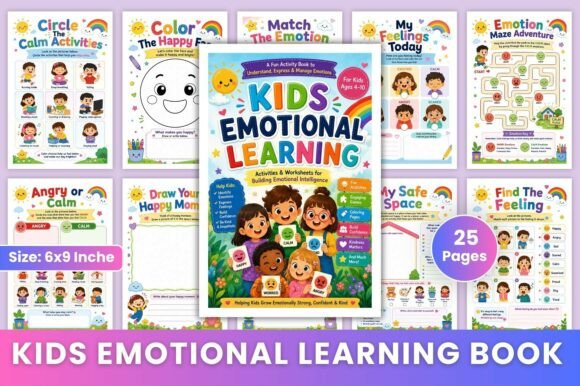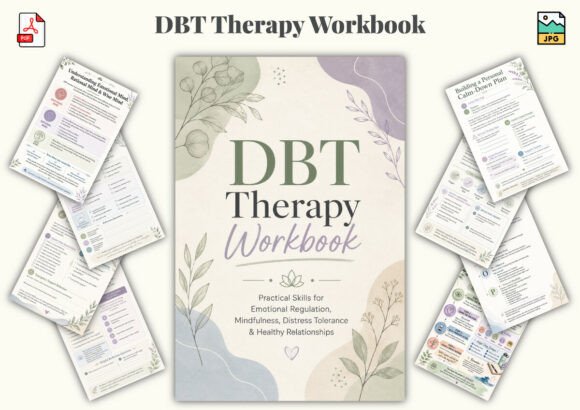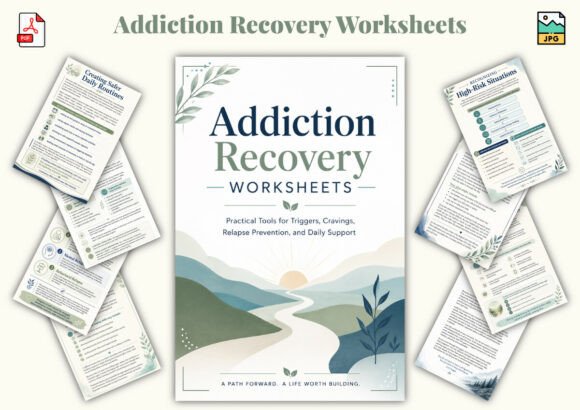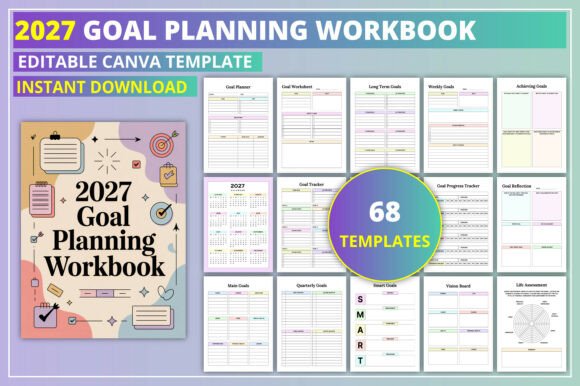
Coping Skills Worksheets: A Practical Tool for Emotional Regulation and Self-Awareness
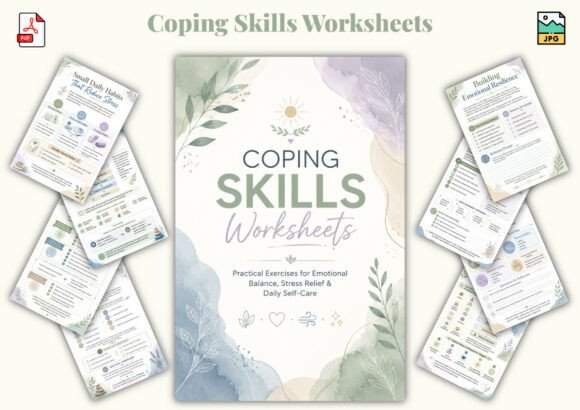
Coping Skills Worksheets are a structured, actionable resource designed to help individuals—whether children, teens, or adults—develop healthier emotional habits through guided reflection, mindfulness, and practical exercises. These worksheets serve as a bridge between emotional challenges and effective coping strategies, offering a tangible way to process feelings, manage stress, and build resilience. When integrated into daily routines or therapeutic practices, Coping Skills Worksheets can become an essential tool for maintaining emotional wellness in both personal and professional settings.
Understanding the Role of Coping Skills Worksheets
Coping Skills Worksheets are more than just printable pages; they are part of a broader emotional regulation strategy. They provide a framework for identifying triggers, exploring emotions, and implementing techniques that promote calmness and clarity. Whether used independently or alongside therapy, these worksheets offer a consistent method for individuals to engage with their emotional state in a structured way.
The design of these worksheets is intentional. Each page is crafted to support different aspects of emotional health, from grounding exercises to reflection journaling. This makes them versatile enough to be used at various stages of a process—before, during, or after a challenging situation. For instance, someone preparing for a high-stress project might use a worksheet on breathing techniques to center themselves before beginning work. Similarly, a teacher managing classroom behavior might incorporate emotional awareness activities into lesson plans to help students recognize and express their feelings constructively.
Integrating Coping Skills Worksheets into Daily Workflows
For professionals, educators, and entrepreneurs, integrating Coping Skills Worksheets into existing workflows can enhance productivity and reduce burnout. The key is to find natural points of integration where these tools can complement other responsibilities without adding unnecessary complexity.
Consider using Coping Skills Worksheets as part of a morning routine to set a positive tone for the day. A simple breathing exercise or mindfulness prompt can help transition from rest to work mode. Alternatively, place a reflection page near your workspace to revisit throughout the day, allowing for periodic check-ins on emotional well-being.
For those involved in creative processes, such as writing, design, or teaching, these worksheets can be particularly useful. A writer facing writer’s block might benefit from a grounding technique to reset focus, while a teacher could use emotional awareness activities to better understand student behavior patterns. By aligning Coping Skills Worksheets with specific tasks or goals, individuals can ensure that emotional regulation becomes a regular part of their workflow rather than an afterthought.
Practical Use Cases and Workflow Examples
Coping Skills Worksheets are not limited to a single scenario. Their flexibility allows them to be applied across a wide range of situations. Here are some practical examples of how they can be used:
- Before a Major Decision: Use a reflection page to explore potential emotions related to the decision. This helps clarify values and priorities before taking action.
- During a High-Stress Task: Employ a breathing exercise or grounding technique to regain focus and reduce anxiety mid-task.
- After a Challenging Interaction: Complete a journaling page to process emotions and identify areas for growth or change.
In a business setting, these worksheets can be incorporated into team-building activities or employee wellness programs. Leaders might distribute a stress management tool to help employees navigate tight deadlines or interpersonal conflicts. In educational environments, teachers can use these resources to support students’ emotional development, especially in moments of transition or academic pressure.
Compatibility with Other Tools and Resources
Coping Skills Worksheets are designed to work seamlessly with other tools and methods. They can be paired with digital apps that track mood or mindfulness progress, used alongside traditional therapy sessions, or combined with self-care planners to create a comprehensive emotional wellness plan.
For example, someone practicing cognitive-behavioral techniques (CBT) might use a Coping Skills Worksheet to document thoughts and emotions in real time, then review them later with a therapist. Similarly, individuals using meditation apps can enhance their practice by incorporating mindfulness prompts from these worksheets into their daily routine.
When choosing complementary tools, consider compatibility in terms of format and usability. Since Coping Skills Worksheets come in high-quality PDF and JPG formats, they are easy to print, annotate, or digitize for use in apps or cloud storage. This adaptability ensures that they can fit into any workflow, whether analog or digital.
Implementation Tips for Long-Term Use
To maximize the effectiveness of Coping Skills Worksheets, it’s important to approach their use with consistency and intention. Here are a few tips for long-term implementation:
- Set a Routine: Dedicate specific times each day or week to complete a worksheet. Consistency builds habit and reinforces the benefits over time.
- Track Progress: Use a planner or digital tracker to note which worksheets have been completed and what insights were gained. This helps identify patterns and areas for improvement.
- Customize Content: While the worksheets provide a foundation, feel free to personalize them based on individual needs or current life circumstances.
- Combine with Other Practices: Integrate worksheets with other self-care activities like exercise, journaling, or therapy to create a holistic approach to emotional health.
By treating Coping Skills Worksheets as a long-term investment in emotional wellness, individuals can develop greater self-awareness, resilience, and the ability to navigate life’s challenges with confidence.
Conclusion
Coping Skills Worksheets offer a practical, accessible way to build healthier emotional habits. Whether used in a therapeutic context, educational setting, or personal routine, these worksheets provide valuable tools for emotional regulation, mindfulness, and self-reflection. By integrating them into daily workflows and pairing them with other resources, individuals can create a sustainable approach to emotional wellness that supports both personal and professional success.