Kids Writing Activities – Creative Ways to Boost Imagination and Writing Skills
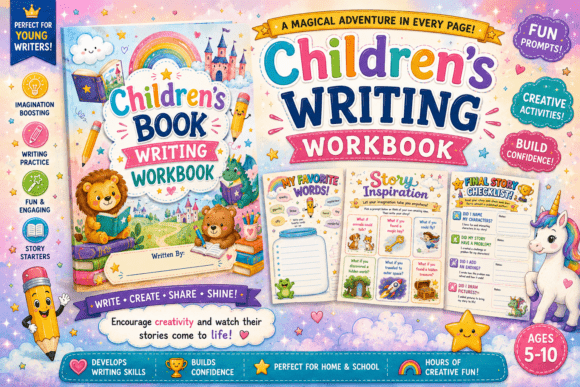
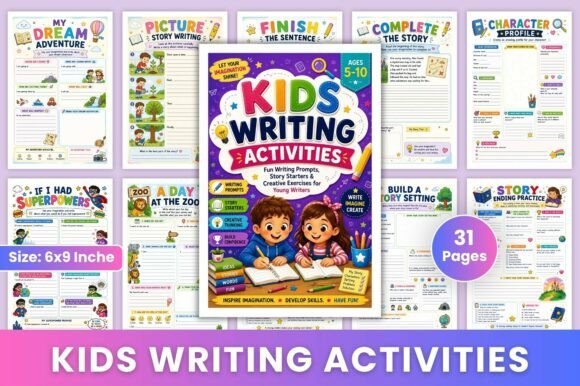
Encouraging children to write can be a rewarding experience for both kids and parents. With the right tools, writing doesn’t have to feel like a chore—it can become an exciting adventure. Kids Writing Activities is one such resource that helps young learners explore their creativity through engaging prompts, story starters, and imaginative exercises. Designed for kids aged 5–10, this workbook offers a structured yet fun approach to developing essential writing skills while nurturing a love for storytelling.
Why Kids Writing Activities Is a Must-Have for Young Writers
Kids Writing Activities stands out because it combines education with entertainment. The book provides a variety of activities that cater to different learning styles and interests. Whether your child prefers drawing, brainstorming, or simply writing, there's something here to spark their imagination.
One of the most valuable aspects of this workbook is its focus on creative thinking. Instead of just copying sentences from a textbook, children are encouraged to think critically and come up with their own ideas. This not only improves their writing but also enhances problem-solving skills and cognitive development.
- Writing Prompts: These help kids get started with writing by providing fun and engaging topics.
- Story Starters: They allow children to build upon a given sentence or idea, encouraging them to develop their own stories.
- Character Creation: Kids can design unique characters, giving them a sense of ownership over their stories.
- Picture-Based Story Writing: Visuals help children visualize scenes and create vivid narratives.
How Kids Writing Activities Supports Different Learning Goals
The Kids Writing Activities workbook is more than just a collection of writing prompts. It’s a comprehensive tool that supports multiple educational goals. For instance, the sentence building practice sections help improve grammar and structure, making it easier for children to express their thoughts clearly.
Additionally, the story completion exercises teach kids how to think about plot development and narrative flow. By finishing stories and creating their own endings, they learn to consider cause and effect, character motivation, and story resolution—key elements of good storytelling.
For younger children, the "About Me" writing pages offer a gentle introduction to personal expression. These pages help kids reflect on their interests, hobbies, and dreams, which can be a great confidence booster.
Exploring the Benefits of Creative Writing for Kids
Creative writing has numerous benefits beyond just improving language skills. It helps children develop emotional intelligence by allowing them to explore different perspectives and emotions through their characters and stories.
Moreover, creative writing encourages imagination and problem-solving. When kids write their own stories, they’re constantly faced with decisions about what happens next, how characters react, and what challenges arise. This kind of thinking is crucial for cognitive development.
Another benefit is the opportunity for self-expression. Not all children are naturally outgoing, but writing gives them a safe space to share their thoughts and feelings. This can be especially helpful for kids who might struggle with verbal communication.
With Kids Writing Activities, these benefits are made accessible in a way that’s both fun and educational. The workbook includes activities that are easy to follow, so even children who are new to writing can find success and enjoyment.
Getting Started with Kids Writing Activities
If you're looking to introduce your child to creative writing, Kids Writing Activities is an excellent starting point. Begin with the guided prompts and story starters to help them feel comfortable with the process. As they gain confidence, gradually move to more open-ended activities like character creation and world-building.
Parents and educators can use the sequence order activities to teach children about the structure of a story. These exercises help kids understand how to organize their thoughts and present them in a logical way.
It’s also a good idea to incorporate picture-based story writing into your routine. Using images as inspiration can make the writing process more engaging and less intimidating for young learners.
Remember, the goal isn’t perfection—it’s exploration. Encourage your child to experiment with different writing styles and themes. Let them know that it’s okay to make mistakes and that every story is a step forward in their journey as a writer.
Integrating Kids Writing Activities Into Daily Routines
One of the best ways to ensure consistent progress is to integrate Kids Writing Activities into daily routines. Set aside a specific time each day for writing, whether it’s after school, before bedtime, or during a quiet afternoon.
You can also turn writing into a family activity. Have everyone in the household contribute to a shared story or take turns writing different parts of a narrative. This not only makes writing more enjoyable but also strengthens family bonds.
Another effective strategy is to use Kids Writing Activities as a supplement to other learning materials. Pair the workbook with reading sessions, art projects, or science experiments to create a well-rounded educational experience.
By making writing a regular part of your child’s life, you’re helping them build a lifelong habit of creativity and self-expression. And with Kids Writing Activities as a guide, the journey will be both fun and fulfilling.