Worry Relief Activities: A Practical Guide for Managing Stress and Building Character in Children
Worry Relief Activities are essential tools that help individuals, especially children, manage anxiety and build resilience. These activities are designed to be integrated into daily routines, educational settings, and personal development plans. When used effectively, they can transform moments of stress into opportunities for growth and learning.
For parents, educators, and caregivers, incorporating Worry Relief Activities into a child's routine is not just about reducing anxiety—it's about fostering emotional intelligence, self-awareness, and character development. These activities can be seamlessly woven into various aspects of a child’s life, from schoolwork to playtime, making them an invaluable resource for holistic education.
Understanding the Role of Worry Relief Activities
Worry Relief Activities serve as proactive measures to address anxiety before it escalates. They provide children with practical strategies to cope with stress, which can be particularly useful during transitions, challenges, or high-pressure situations. Whether it's before a test, after a difficult conversation, or during a change in routine, these activities offer a structured way to process emotions.
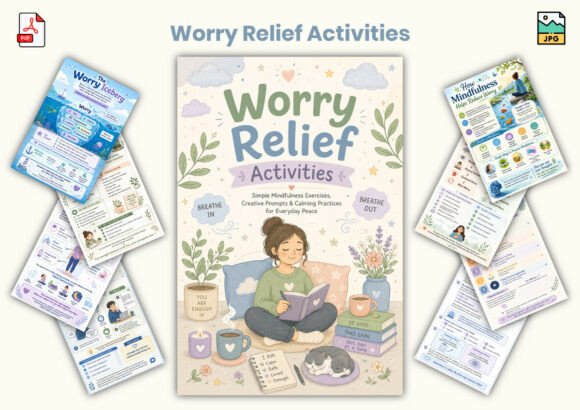
These activities often include mindfulness exercises, creative expression, physical movement, and guided reflection. Each of these elements plays a role in calming the mind and reinforcing positive coping mechanisms. For instance, deep breathing techniques can be practiced before bedtime to promote relaxation, while drawing or journaling can help children articulate their feelings in a safe space.
When combined with character-building activities, Worry Relief Activities become even more powerful. They not only help children manage stress but also reinforce values such as kindness, responsibility, and self-control. This dual focus ensures that children develop both emotional resilience and strong moral foundations.
Integrating Worry Relief Activities Into Daily Life
The key to successful integration lies in consistency and adaptability. Worry Relief Activities should be tailored to fit within existing routines rather than creating additional burdens. For example, a short meditation session can be added to a morning routine, or a quick journaling exercise can be incorporated after school.
Parents and educators can use these activities to create a supportive environment where children feel comfortable expressing their worries. By setting aside dedicated time for these activities, adults signal to children that their emotions are valid and manageable. This practice fosters trust and encourages open communication.
Moreover, Worry Relief Activities can be paired with other resources such as books, apps, or peer support groups. For instance, using a digital app that guides children through breathing exercises can complement traditional methods like drawing or storytelling. The synergy between different tools enhances the overall effectiveness of the approach.
Using Worry Relief Activities Before, During, and After Key Moments
Worry Relief Activities can be strategically used at different stages of a task or event. Before a challenging situation, such as a presentation or a competition, children can engage in grounding exercises to build confidence. During a stressful moment, techniques like progressive muscle relaxation can help regulate emotions in real-time. After an event, reflective activities allow children to process what happened and learn from the experience.
This phased approach ensures that children have the tools they need to navigate each stage of a challenge. It also helps them recognize patterns in their reactions, enabling them to develop long-term coping strategies.
For example, a child preparing for a spelling bee might benefit from visualization techniques before the event. During the competition, if they feel nervous, they can use a mantra or a breathing technique to stay focused. Afterward, reflecting on their performance can help them identify areas for improvement and celebrate their efforts.
Combining Worry Relief Activities with Character Development
Character development is a crucial aspect of a child’s growth, and Worry Relief Activities can be a valuable component of this process. By addressing emotional well-being, these activities create a foundation upon which character traits can be nurtured. For instance, practicing patience through mindful waiting can reinforce the value of perseverance.
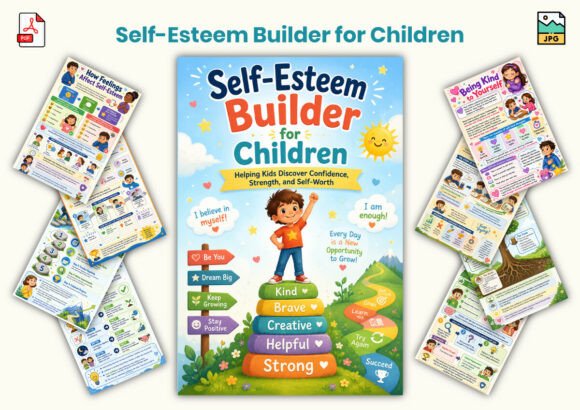
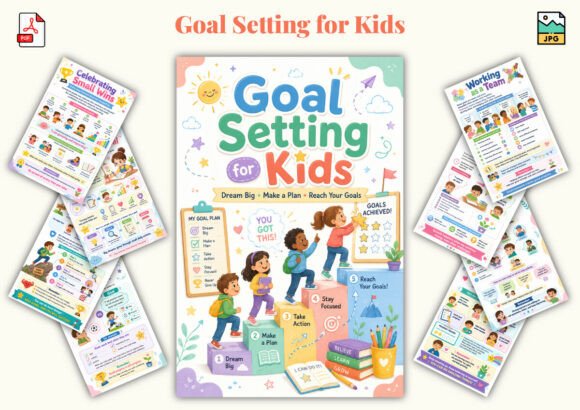
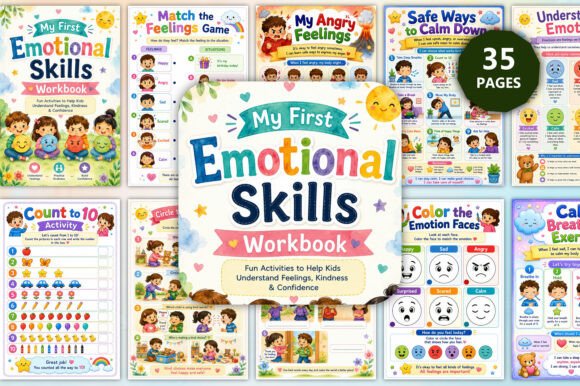
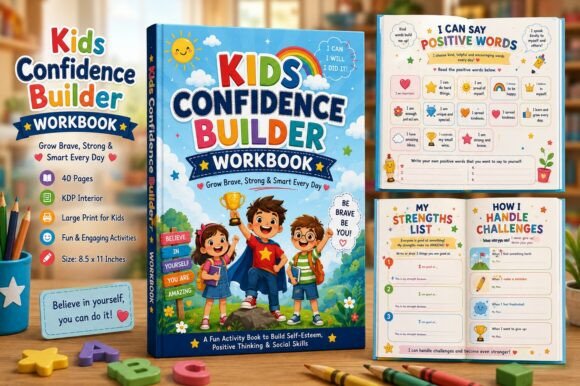
A workbook that includes both Worry Relief Activities and character-building exercises offers a comprehensive approach to child development. It allows children to explore their emotions while simultaneously learning important life skills. Activities such as goal-setting, self-assessment, and decision-making scenarios help children internalize values and apply them in real-life situations.
For educators, integrating such a workbook into classroom activities provides a structured way to teach social-emotional learning (SEL). Teachers can use the workbook’s reflection pages to encourage students to think critically about their actions and choices. This not only promotes character development but also enhances academic performance by improving focus and motivation.
Practical Implementation Tips
To ensure the effective implementation of Worry Relief Activities, it’s important to consider factors such as preparation, usability, and consistency. Parents and educators should choose activities that are age-appropriate and easy to execute without requiring excessive time or resources.
Creating a designated space for these activities can also enhance their effectiveness. A quiet corner with calming visuals, soft lighting, and accessible materials can make the experience more enjoyable for children. Additionally, involving children in the selection of activities can increase their engagement and willingness to participate.
Consistency is another critical factor. Regular practice helps children develop habits that support emotional regulation and character growth. Establishing a routine—such as dedicating 10 minutes each day to a specific activity—can make the process more sustainable.
Finally, it’s important to monitor progress and adjust the approach as needed. Tracking improvements in emotional regulation or character development can provide insights into what’s working and what may need refinement. This feedback loop ensures that the activities remain relevant and beneficial over time.
Conclusion
Worry Relief Activities are more than just tools for managing stress—they are essential components of a child’s emotional and character development. By integrating these activities into daily routines and combining them with character-building exercises, parents and educators can empower children to navigate life’s challenges with confidence and integrity.
Whether used at home, in the classroom, or as part of a homeschool curriculum, these activities offer a practical and effective way to support children’s well-being. With the right approach, they can become a cornerstone of a child’s growth journey, helping them build resilience, empathy, and a strong sense of self.