My First Emotional Skills Workbook: A Gentle Guide for Young Children to Understand Feelings and Build Confidence
Teaching young children about emotions can feel like a daunting task, especially when they’re still learning how to express themselves. That’s where My First Emotional Skills Workbook comes in — a gentle, colorful, and beginner-friendly resource designed to help kids explore their feelings, build kindness, and develop confidence through playful and engaging activities. This isn’t just another activity book; it's a complete early emotional learning system that supports children as they grow emotionally and socially.
What Is My First Emotional Skills Workbook?
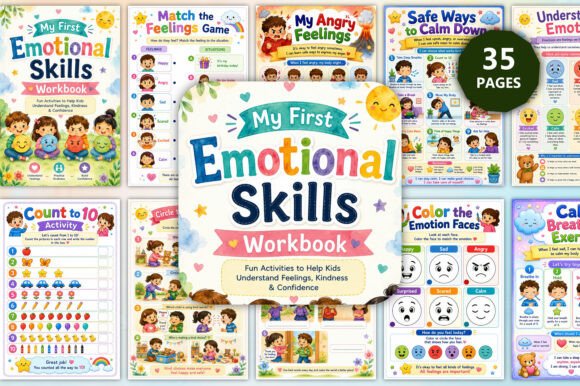
My First Emotional Skills Workbook is an interactive tool that introduces children to the basics of emotional awareness, empathy, and self-confidence. With its vibrant illustrations and simple language, it makes learning about emotions feel natural and fun. The workbook includes a variety of exercises such as drawing, matching games, reflection prompts, and mindfulness moments that guide kids through understanding their own feelings and those of others.
This workbook is ideal for parents, teachers, and caregivers who are looking for a structured yet flexible way to support children’s emotional development. It’s particularly useful for kids aged 3–8, though many adults find it helpful for reinforcing emotional literacy with younger children or even for personal reflection.
Real-World Scenarios Where This Workbook Shines
Whether your child is dealing with separation anxiety, struggling to make friends, or simply curious about why they feel certain ways, this workbook offers practical tools to navigate these challenges. For example, if a child is feeling scared before starting school, the “safe space” thinking exercises in the workbook can help them visualize a calming place to return to when overwhelmed.
In a classroom setting, teachers might use the workbook during circle time or social-emotional learning (SEL) lessons. Activities like emotion recognition games or kindness prompts can be incorporated into daily routines to encourage empathy and positive behavior among students.
Parents can also benefit from using the workbook at home during quiet time or after a stressful day. The mindfulness pages offer short breathing exercises that help children stay calm and present, making it easier for them to manage strong emotions like anger or frustration.
Who Can Benefit From This Workbook?
The workbook is suitable for a wide range of users, including:
- Parents: Looking for a way to teach emotional intelligence at home without overwhelming their child.
- Teachers: Seeking creative, ready-to-use activities for SEL lessons or behavioral support.
- Caregivers: Wanting to provide emotional support to children in daycare, foster care, or other group settings.
- Therapists or Counselors: Using it as a supplementary tool for children undergoing therapy or social skills training.
- Children: Learning to identify and express their feelings in a safe, non-judgmental environment.
Each user may approach the workbook differently based on their goals. A parent might focus on the confidence-building pages to help their child feel more secure, while a teacher could emphasize the social skills development sections to improve classroom dynamics.
Practical Examples of How It Works
Imagine a situation where a child is upset because they didn’t get to play with their favorite toy. Instead of dismissing their feelings, a parent could guide them through an exercise in the workbook that asks, “What makes you feel sad?” followed by a drawing activity where the child expresses their emotions. This helps the child name their feelings and begin processing them in a healthy way.
Another example is using the “I am special” pages to boost a child’s self-esteem. If a child is shy or hesitant to speak up, these pages encourage them to reflect on their strengths and accomplishments. Over time, this builds a positive self-image and increases their confidence in social situations.
Considerations Before Using the Workbook
While My First Emotional Skills Workbook is designed to be accessible and easy to use, there are a few things to keep in mind. First, it’s important to match the child’s developmental stage with the appropriate activities. Some exercises may be too advanced for very young children, so it’s best to start with the simpler ones and gradually move to more complex tasks.
Additionally, consistency is key. Emotional learning is a process, and regular practice with the workbook will yield better results. Parents and teachers should consider setting aside dedicated time each day or week to work through the activities together.
Finally, while the workbook provides valuable guidance, it’s not a substitute for professional counseling or therapy. If a child is experiencing severe emotional difficulties, it’s important to seek help from a qualified professional.
Strengths and Limitations
One of the main strengths of My First Emotional Skills Workbook is its simplicity. The clear visuals, straightforward language, and hands-on activities make it easy for both children and adults to engage with. It also covers a wide range of emotional skills, from recognizing basic emotions to building confidence and practicing mindfulness.
However, one potential limitation is that the workbook is most effective when used consistently over time. Like any skill, emotional intelligence requires practice and reinforcement. Additionally, while the workbook is great for introducing concepts, it may not provide in-depth solutions for complex emotional or behavioral issues.
Despite these limitations, the workbook remains a valuable resource for anyone looking to support a child’s emotional growth in a fun and meaningful way.