Anxiety Relief Journal: A Guided Path to Mental Clarity and Emotional Balance
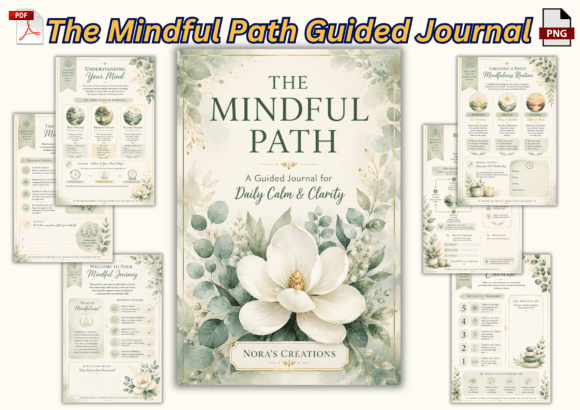
Living in today’s fast-paced world can be overwhelming. Between work demands, personal responsibilities, and the constant influx of information, it's easy for anxiety to creep into our daily lives. For many, this emotional strain can feel unmanageable. However, there is a powerful tool that can help individuals regain control over their mental health and find inner peace—Anxiety Relief Journal. This beautifully designed guided journal is more than just a notebook; it's a comprehensive resource that supports reflection, mindfulness, and self-awareness to help calm the mind, reduce stress, and build emotional balance.
What Is an Anxiety Relief Journal?
An Anxiety Relief Journal is a structured and thoughtfully designed journal that provides guided prompts and exercises aimed at helping users manage anxiety through writing, reflection, and mindfulness practices. Unlike a traditional journal, this type of journal is specifically crafted to address the unique challenges of anxiety by offering targeted strategies that promote emotional healing and mental clarity.
With soothing layouts and carefully curated content, the Anxiety Relief Journal creates a safe and reflective space where individuals can explore their thoughts, emotions, and behaviors without judgment. It combines elements of cognitive-behavioral therapy (CBT), mindfulness, and self-compassion to support users in their journey toward emotional well-being.
The Key Features That Make This Journal Effective
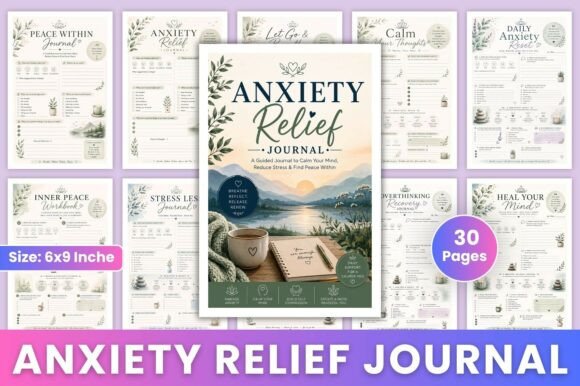
What sets the Anxiety Relief Journal apart from other journals is its array of features designed to support various aspects of mental health. Here are some of the most valuable components:
- Calm Mind Journaling Pages: These pages encourage users to express their thoughts, emotions, and daily mental state in a safe and reflective space. Writing about your feelings can help you process them more effectively and gain new insights.
- Anxiety Stress Tracking: By identifying triggers, anxious thoughts, and patterns, users can better understand their mind and develop strategies to manage their anxiety more effectively.
- Breathing Grounding Exercises: Simple techniques such as deep breathing and body scans are included to help users relax their bodies and bring focus back to the present moment, reducing the impact of anxiety.
- Thought Reframing Practice: This section guides users to challenge negative thinking and replace it with calmer, more positive perspectives, which is a core principle of CBT.
- Letting Go Release Pages: Through specific writing exercises, these pages help users release worries, fears, and emotional tension, promoting a sense of relief and closure.
- Self-Care Healing Prompts: These prompts encourage healthy coping habits, self-kindness, and emotional recovery, reinforcing the importance of self-care in managing anxiety.
- Mood Emotion Check-ins: Daily check-ins allow users to track how they feel and observe emotional patterns over time, providing valuable data that can be used to make informed decisions about their mental health.
- Mindfulness Inner Peace Activities: These activities support relaxation, awareness, and mental grounding practices, helping users stay centered even during stressful times.
- Positive Affirmations: Incorporating daily affirmations helps build calmness, confidence, and emotional strength, reinforcing a positive mindset.
- Reflection Growth Pages: These pages encourage deeper self-understanding and support a personal healing journey, allowing users to reflect on their progress and growth over time.
Why Use an Anxiety Relief Journal?
Incorporating an Anxiety Relief Journal into your routine can offer numerous benefits. One of the most significant advantages is the opportunity to engage in regular self-reflection. By taking time each day to write down your thoughts and feelings, you create a space for introspection that can lead to greater self-awareness and emotional insight.
Additionally, the journal serves as a practical tool for tracking your emotional state over time. This can help you identify patterns in your anxiety and recognize what situations or thoughts trigger your symptoms. With this knowledge, you can develop more effective coping strategies tailored to your unique needs.
Another key benefit of using this journal is the promotion of mindfulness. The grounding exercises and breathing techniques included in the journal help users stay present and focused, reducing the tendency to get lost in anxious thoughts. This practice can significantly improve mental clarity and overall well-being.
How to Get the Most Out of Your Anxiety Relief Journal
To fully benefit from your Anxiety Relief Journal, it's important to use it consistently and with intention. Here are some tips to help you get the most out of your journaling experience:
- Set a Routine: Dedicate a specific time each day to journaling, whether it's first thing in the morning or before bed. Consistency helps build a habit and ensures that you're making time for self-care.
- Be Honest and Open: Write freely without fear of judgment. The goal is to explore your thoughts and feelings honestly, not to produce perfect entries.
- Use the Prompts: Take advantage of the guided prompts provided in the journal. They are designed to help you explore different aspects of your mental health and provide structure when you're unsure where to start.
- Track Your Progress: Use the mood check-in pages to monitor your emotional state over time. This can help you see how your journaling practice is impacting your mental health and identify areas for improvement.
- Combine with Other Practices: Consider combining your journaling practice with other forms of self-care, such as meditation, exercise, or talking to a therapist. A holistic approach can lead to more significant improvements in your mental well-being.
Common Misconceptions About Anxiety Journals
There are several misconceptions about using an Anxiety Relief Journal that may prevent people from trying it. One common belief is that journaling is only for people with severe anxiety or mental health issues. In reality, anyone can benefit from the practice of journaling, regardless of the severity of their anxiety. It's a valuable tool for anyone looking to improve their emotional well-being and develop healthier coping mechanisms.
Another misconception is that journaling is a quick fix for anxiety. While journaling can be a powerful tool for managing anxiety, it's not a substitute for professional treatment. If you're experiencing severe or persistent anxiety, it's important to seek help from a qualified mental health professional.
Some people also believe that journaling is time-consuming and difficult to maintain. However, with the right tools and mindset, journaling can become a simple and rewarding part of your daily routine. The Anxiety Relief Journal is designed to make this process easy and accessible, with structured prompts and exercises that guide you every step of the way.
The Role of Anxiety Relief Journals in Modern Life
In today's fast-paced and digitally driven world, finding moments of stillness and self-reflection can be challenging. The Anxiety Relief Journal offers a much-needed pause from the noise of everyday life, providing a dedicated space for mental clarity and emotional balance.
Whether you're a student juggling academic pressures, a working professional dealing with job-related stress, or someone navigating personal challenges, this journal can be a valuable companion. It supports individuals in maintaining emotional resilience and developing the skills needed to manage anxiety in a healthy and constructive way.
Moreover, the rise of digital technology has made it easier than ever to access resources for mental health. However, the act of writing by hand in a physical journal can have a calming effect that digital tools often lack. The tactile experience of journaling can enhance the therapeutic value of the practice, making it more engaging and meaningful.
Conclusion
The Anxiety Relief Journal is a powerful tool that can help individuals manage anxiety, reduce stress, and build emotional balance. With its thoughtful design, structured prompts, and variety of mindfulness and self-reflection exercises, it provides a comprehensive approach to mental wellness that is both accessible and effective.
Whether you're new to journaling or have been practicing it for years, this journal offers something for everyone. It encourages self-awareness, promotes emotional healing, and supports long-term mental well-being. By incorporating this journal into your daily routine, you can take meaningful steps toward a calmer, more balanced life.
If you're ready to explore the benefits of journaling for anxiety relief, consider investing in an Anxiety Relief Journal today. It could be the first step in your journey toward greater emotional resilience and inner peace.