Sensory Support Activities: Enhancing Focus, Regulation, and Emotional Well-Being
For many individuals, managing sensory input is a daily challenge that affects focus, emotional stability, and overall well-being. Whether you're a parent helping a child navigate overwhelming environments or an adult seeking ways to stay calm in high-stress situations, Sensory Support Activities offer practical tools and strategies to support regulation and self-awareness. This resource is designed for use across various settings, including homes, schools, therapy sessions, and community spaces, making it a versatile tool for anyone looking to improve their sensory processing skills.
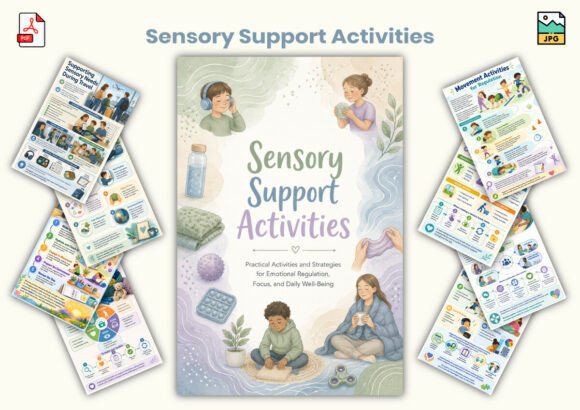
Sensory Support Activities is more than just a collection of exercises—it's a comprehensive workbook that guides users through understanding how the senses impact behavior, mood, and performance. With 31 professionally designed pages, this resource includes educational content, activity guides, action plans, reflection pages, checklists, and practical sensory tools that can be easily adapted to different needs and environments.
What Are Sensory Support Activities?
Sensory Support Activities refer to structured practices that help individuals regulate their sensory experiences and respond more effectively to environmental stimuli. These activities can include things like deep pressure techniques, movement-based exercises, auditory calming strategies, and visual tools that promote focus and relaxation. They are especially useful for people who experience sensory overload, anxiety, or difficulty maintaining attention in busy environments.
At its core, Sensory Support Activities helps users recognize their unique sensory preferences and learn how to create supportive environments that enhance comfort and participation in everyday life. It also provides guidance on identifying signs of sensory overload, which can help prevent burnout, stress, and emotional dysregulation.
Real-World Applications of Sensory Support Activities
The beauty of Sensory Support Activities lies in its adaptability. Whether you're a teacher working with students who have sensory sensitivities or a remote worker trying to stay focused during long hours at a desk, this resource can be tailored to your specific needs.
For example, educators can use the workbook to develop classroom strategies that accommodate different learning styles and sensory needs. Parents might find the reflection and self-awareness pages helpful in understanding their child’s sensory preferences and creating a calm home environment. Entrepreneurs and freelancers can benefit from the school and community strategies section by applying similar principles to manage stress and maintain productivity in fast-paced work settings.
In healthcare and therapeutic settings, professionals can use the sensory toolkit section to guide clients through personalized sensory routines. The inclusion of interoception and body awareness exercises makes this workbook particularly valuable for those working with individuals who struggle with emotional regulation and self-monitoring.
How Different Users Can Benefit
Sensory Support Activities offers benefits across a wide range of users and scenarios. For instance:
- Parents and Caregivers: Use the reflection pages and sensory space creation guides to help children develop better coping mechanisms and reduce meltdowns in overwhelming situations.
- Teachers and Educators: Implement the school strategies and sensory break menus to support students with sensory processing differences, improving engagement and reducing disruptive behaviors.
- Therapists and Counselors: Incorporate the action plans and checklists into treatment sessions to help clients build self-awareness and regulate emotions more effectively.
- Remote Workers and Freelancers: Apply the movement and regulation activities to combat fatigue and maintain focus during long workdays, especially when working from home.
- Individuals with Anxiety or ADHD: Utilize the deep pressure supports and calming visual themes to manage symptoms and improve emotional well-being.
Each user brings a unique set of challenges and goals, and Sensory Support Activities is designed to meet them where they are. Its clean layout and easy-to-follow content make it accessible to beginners while still offering enough depth for more experienced users.
Considerations Before Using Sensory Support Activities
While Sensory Support Activities is a powerful tool, it's important to approach it with thoughtful consideration. First, assess your specific needs and determine which sections of the workbook will be most beneficial. Not every activity will apply to every person, so it's essential to experiment and find what works best for you.
Additionally, consider how you'll integrate these activities into your daily routine. Some may prefer using the workbook as a standalone guide, while others may benefit from combining it with other resources or professional guidance. If you're working with someone else—like a child or a client—be sure to involve them in the process to ensure the activities are meaningful and effective.
It's also worth noting that the workbook includes both digital and print formats, making it easy to access and use in different environments. The high-resolution JPG files and print-ready interior pages ensure that the content remains clear and visually appealing, regardless of the medium you choose.
Creating a Personalized Sensory Toolkit
One of the standout features of Sensory Support Activities is the emphasis on building a personalized sensory toolkit. This involves identifying the types of sensory input that help you feel calm, focused, and in control. For example, some people may find weighted blankets comforting, while others prefer fidget toys or calming music.
The workbook walks users through the process of exploring their sensory preferences and creating a custom toolkit that fits their lifestyle and environment. This is especially helpful for people who need to manage sensory input in unpredictable settings, such as public places, workplaces, or social events.
By incorporating these activities into daily routines, users can develop greater self-awareness and build resilience against sensory overload. Over time, this leads to improved emotional regulation, increased focus, and a stronger sense of well-being.
Sensory Support Activities is more than just a workbook—it's a roadmap to better sensory processing, emotional health, and daily living. Whether you're looking to support yourself or someone else, this resource offers practical, actionable strategies that can make a real difference in everyday life.